

By Ingrid Olsen
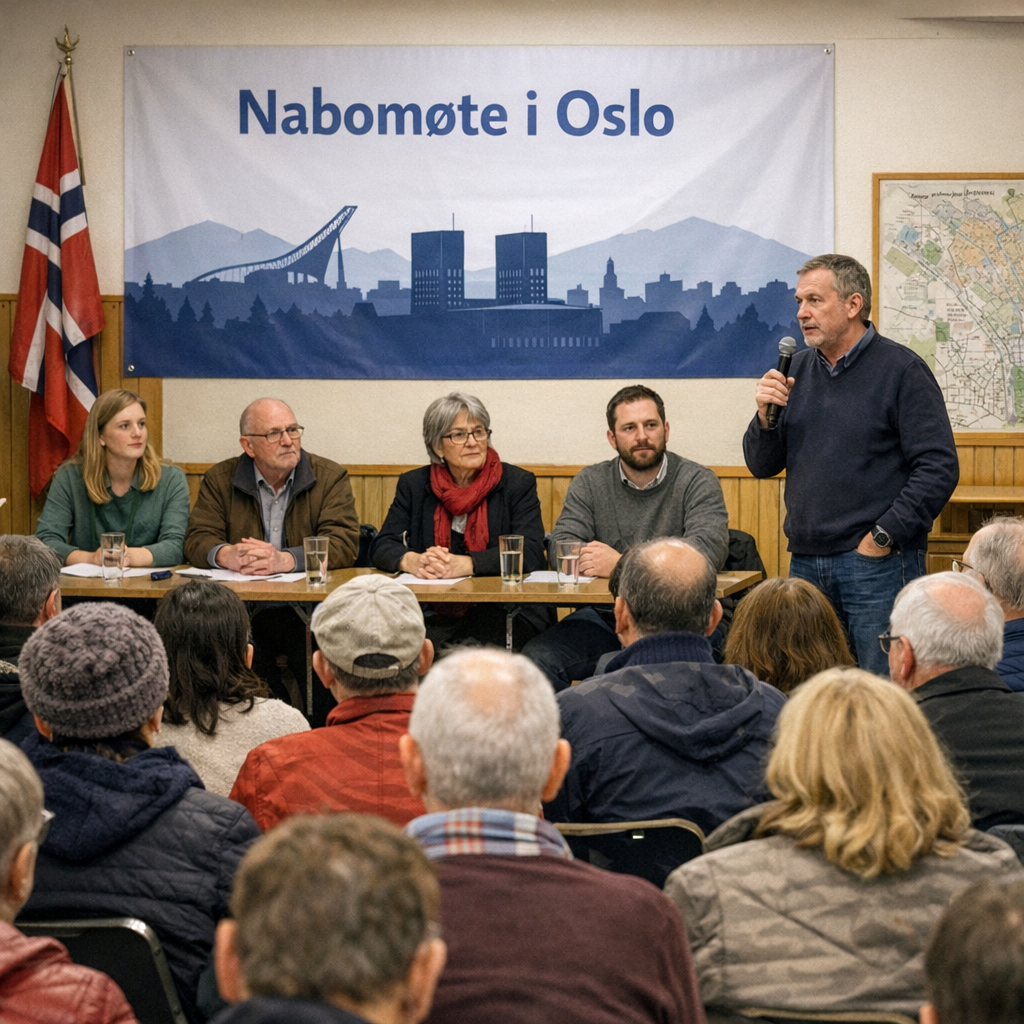
Oslo’s city government is considering a significant reshaping of its local administrative landscape. The plan under discussion—often referred to as the bydelsreform—aims to reduce the number of city districts from 15 to 8. As debates unfold at City Hall and in community forums, residents are asking: how will this affect local services and democratic participation?
What is driving the reform?
The push for change comes amid concerns about efficiency and consistency in service delivery. City officials argue that merging districts could reduce overlap, streamline administrative processes, and allow for more equitable allocation of resources across Oslo.
Local politicians from Ap (Arbeiderpartiet) have called for radical revisions to support the reform, emphasizing changes in housing policy and community services among their priorities. They argue that without reforms, disparities between districts could continue to deepen.
Potential impact on community and services
Service delivery
One major question is how the reform will affect access to key public services, like elder care, youth services, and local health centres. For many residents, particularly in outer districts, local services are a lifeline—any change could mean longer travel, reduced staffing, or new service centres.
Local democracy and identity
Each of Oslo’s 15 districts has its own elected council, which plays a role in everything from local day-care policy to neighborhood planning. Fewer districts could mean fewer council members and larger, less intimate districts—raising concerns about residents’ ability to influence decisions in their area.
Voices speaking out
Some community groups worry that the reform could weaken representation. In districts where distinct neighborhoods already feel overlooked, merging might make it harder to voice concerns. Others, though, see opportunity: consolidated budgets could potentially bring more investment to underfunded areas.
Urban developers and architects point out that any merger must pay careful attention to preserving local character—through architecture, green spaces and neighborhood hubs—to prevent a sense of loss among residents.
Where things stand and what comes next
So far, no final decisions have been taken. The proposal remains under debate at the city council level, with various stakeholders—including district councils, neighborhood groups and public servants—giving input.
For residents wanting to stay informed or involved, the next public hearings are likely to address specific plans for redrawing district borders, reallocating local offices, and preserving local services. Keep an eye on announcements from Oslo kommune for those dates.
What should residents watch for
- Any changes in where you go for services such as school registration, health centres or youth clubs.
- Proposals for community meeting points or hubs to maintain neighborhood identity.
- Ways for residents to provide feedback or participate—whether through district councils, public consultations or local forums.
This reform could reshape Oslo’s local government for years—or decades—to come. For all of us, staying informed and speaking up may make all the difference.