

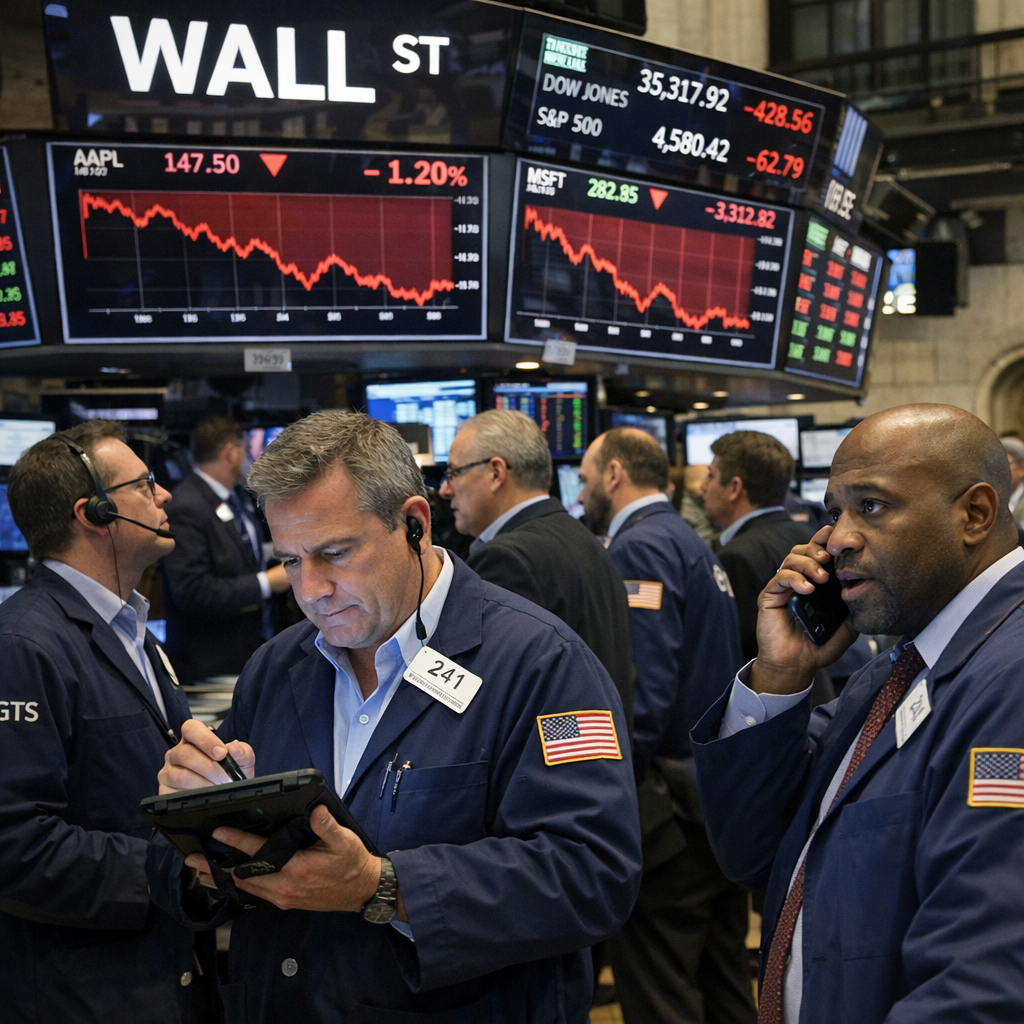
The United States economy, a pivotal force in global markets, is currently navigating a series of complex challenges that have significant implications both domestically and internationally.
Economic Growth and Inflation
Recent data indicates a deceleration in economic growth. The International Monetary Fund (IMF) projects U.S. gross domestic product (GDP) growth to be 2.4% in the fourth quarter of 2026, a slight increase from 2.2% the previous year. Concurrently, inflation rates have risen, with consumer prices increasing by 2.9% over the past year, marking the fastest annual pace since January. Essential commodities such as ground beef, eggs, and coffee have seen notable price hikes, placing additional strain on household budgets.
Employment Trends
The labor market reflects these economic shifts. While the unemployment rate is projected to drop from 4.5% in late 2025 to 4.1% in 2026, job creation has slowed. Recent reports show a decline in manufacturing jobs, with 37,000 positions lost since the implementation of new tariffs in April. This trend raises concerns about the sustainability of employment growth in key sectors.
Fiscal Policy and National Debt
Fiscal policy decisions are under scrutiny as the national debt continues to escalate. BlackRock CEO Larry Fink has highlighted the potential risks associated with the ballooning U.S. national debt, emphasizing that rising debt levels could elevate interest costs, threaten economic confidence, and lead to rapid shifts in borrowing costs. As of January 14, 2026, the total U.S. debt outstanding reached $38.4 trillion, with approximately $996 billion added since September 3, 2025.
Trade Policies and Global Relations
The current administration’s trade policies, including the implementation of tariffs, have introduced additional variables into the economic equation. While intended to protect domestic industries, these measures have led to retaliatory actions from trade partners, affecting export markets and contributing to market volatility. The long-term impact of these policies remains a subject of ongoing analysis and debate.
Looking Ahead
As the U.S. approaches the 2026 midterm elections, economic issues are at the forefront of public discourse. Voters are expressing concerns over inflation, employment opportunities, and the overall direction of fiscal policy. The outcomes of these elections will likely influence future economic strategies and policies.
In summary, the U.S. economy is at a crossroads, contending with internal challenges and external pressures. The interplay between growth, inflation, employment, fiscal policy, and international trade will be critical in shaping the nation’s economic trajectory in the coming years.